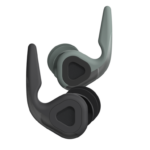
Blocks water. Lets sound in.
Stays securely in place.
Trusted by 500,000 surfers,
swimmers, divers and kayakers.
What’s included?
1 pair of SurfEars earplugs with a secure, stay-in-place fit (size L wings, M gels) plus a detachable leash
Premium silicone case with magnetic closure, ventilation holes for drying, and a carabiner for easy carry
Multiple sizes of gels (XS, S, M, L) and a wingless option — ensuring a comfortable, secure fit for almost all ears
Free shipping on orders 2+
101-day money-back
Secure payment
More Info
April 13, 2026
Thought Earplugs Didn’t Work for You? Here’s Why (And How to Fix It)
Introduction
If earplugs haven’t worked for you before, it’s usually not you.
It almost always comes down to two things: fit and durability.
A lot of people try earplugs once, have a bad experience, and assume they just don’t work. But in most cases, it’s something simple that can be fixed.
Whether you swim, surf, dive, paddle, or just want to keep water out of your ears, the same problems tend to come up again and again — discomfort, leaking, or earplugs that simply don’t stay in place.
Why earplugs don’t work (for most people)
Many people run into the same issues:
They feel slightly too big
They don’t create a proper seal
They become uncomfortable over time
They don’t stay in as expected
They wear out faster than anticipated
The biggest reason is almost always fit.
Most people start with a size that’s slightly too large, which makes them feel off or leak without it being obvious why.
How to choose the right earplug size
Getting the right fit doesn’t have to be complicated.
A few small adjustments usually make all the difference:
Start slightly smaller than you think
Aim for a snug, natural fit — not pressure
They should feel comfortable, not noticeable
They should stay in place without constant adjusting
If they feel uncomfortable or don’t work properly, it’s often just a matter of adjusting the fit or trying a different size.